Why I Chose Rwanda for My Mid year Reset
By June, the version of you that walked into the office in January has long gone. Deadlines had piled up, your leave days were sitting untouched in the HR portal, and every conversation with colleagues started with the same tired line: “You need a break.”

Kigali: Where the Trip Really Begins
Landing in Kigali, the first thing that struck me was how orderly and green everything was. No chaos at the airport, no hustle at every corner — just calm. I spent my first day wandering through the city, starting at the Kigali Genocide Memorial. It’s not a “fun” stop, but it’s an essential one. It grounded the rest of the trip in something real, a reminder that rest is a privilege built on resilience.
From there, the mood shifted. I explored Kimironko Market for fabric and coffee, then found my way to Inema Arts Centre, where local creatives sell paintings and sculptures that tell Rwanda’s modern story far better than any guidebook could. By evening, Kigali’s rooftop bars and restaurants — the kind with skyline views and slow jazz — gave me exactly what a corporate traveller craves: good food, good wine, and zero emails.
Chasing the Gorillas (Yes, It’s Worth the Hype)
No Rwanda trip is complete without Volcanoes National Park, and this was the part of the trip I built my whole itinerary around. Gorilla trekking 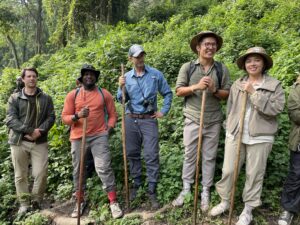 isn’t cheap, and it isn’t easy — you’ll hike through mist, mud, and thick forest before your guide suddenly whispers, “There they are.” But the moment you lock eyes with a silverback in the wild, every deadline you’ve ever stressed over feels impossibly small.
isn’t cheap, and it isn’t easy — you’ll hike through mist, mud, and thick forest before your guide suddenly whispers, “There they are.” But the moment you lock eyes with a silverback in the wild, every deadline you’ve ever stressed over feels impossibly small.For a young professional used to measuring value in ROI, this is one of those rare experiences where the return is entirely emotional. It’s humbling in a way spreadsheets never are.
Lake Kivu: The Slow-Down Chapter
After the adrenaline of the trek, I needed stillness, and Lake Kivu delivered it. I stayed in a lakeside lodge in Rubavu, spent mornings kayaking on water so still it looked painted, and afternoons doing absolutely nothing on a hammock with a book I never actually finished. This was the part of the trip that felt most like a reset — no itinerary, no rush, just lake, hills, and quiet.
Why This Trip Matters for Young Corporates
Midyear getaways don’t need to be indulgent to be worth it. What Rwanda gave me was perspective — on pace, on gratitude, on what “productive” rest actually looks like. I came back to my desk with fewer unread emails than I expected and, more importantly, a clearer head.
A few practical notes if you’re considering this for your own reset:
- Best time to go: June to September or December to February, during the dry seasons, for easier trekking conditions.
- Budget for the gorilla permit early — it’s the priciest single expense, and slots fill up fast.
- Give yourself at least 5–6 days to properly experience Kigali, the park, and the lake without rushing.
- Pack light but smart — layers for the misty forest, something sharp for Kigali’s evenings out.
If your leave days are gathering dust and your calendar hasn’t had a real gap in months, Rwanda might just be the reset you didn’t know you needed. Mine certainly was.
— Siyabonge
By June, the version of me that walked into the office in January was long gone. Deadlines had piled up, my leave days were sitting untouched in the HR portal, and every conversation with colleagues started with the same tired line: “I need a break.” So instead of waiting for the December rush like everyone else, I did something different this year — I booked a midyear getaway. Destination: Rwanda.
Why Rwanda, and Why Now
As a young professional, I often find the idea of “rest” gets confused with “doing nothing.” I didn’t want a trip where I came back more drained than I left. I wanted somewhere that would slow my mind down without switching my brain off completely — a place with enough beauty, culture, and quiet luxury to remind me why I work as hard as I do.
Rwanda kept coming up in conversations with friends who travel often, and the more I researched, the more it made sense. It’s compact, safe, clean, and increasingly known as one of Africa’s most efficiently run countries — something that appeals to anyone who spends their weekdays obsessing over efficiency at work. Kigali alone felt like a case study in what a well-managed city can look like, and that alone was oddly therapeutic for a corporate mind.
Kigali: Where the Trip Really Begins
Landing in Kigali, the first thing that struck me was how orderly and green everything was. No chaos at the airport, no hustle at every corner — just calm. I spent my first day wandering through the city, starting at the Kigali Genocide Memorial. It’s not a “fun” stop, but it’s an essential one. It grounded the rest of the trip in something real, a reminder that rest is a privilege built on resilience.
From there, the mood shifted. I explored Kimironko Market for fabric and coffee, then found my way to Inema Arts Center, where local creatives sell paintings and sculptures that tell Rwanda’s modern story far better than any guidebook could. By evening, Kigali’s rooftop bars and restaurants — the kind with skyline views and slow jazz — gave me exactly what a corporate traveller craves: good food, good wine, and zero emails.
Chasing the Gorillas (Yes, It’s Worth the Hype)
No Rwanda trip is complete without Volcanoes National Park, and this was the part of the trip I built my whole itinerary around. Gorilla trekking isn’t cheap, and it isn’t easy — you’ll hike through mist, mud, and thick forest before your guide suddenly whispers, “There they are.” But the moment you lock eyes with a silverback in the wild, every deadline you’ve ever stressed over feels impossibly small.
For a young professional used to measuring value in ROI, this is one of those rare experiences where the return is entirely emotional. It’s humbling in a way spreadsheets never are.
Lake Kivu: The Slow-Down Chapter
After the adrenaline of the trek, I needed stillness, and Lake Kivu delivered it. I stayed in a lakeside lodge in Rubavu, spent mornings kayaking on water so still it looked painted, and afternoons doing absolutely nothing on a hammock with a book I never actually finished. This was the part of the trip that felt most like a reset — no itinerary, no rush, just lake, hills, and quiet.
Why This Trip Matters for Young Corporates
Midyear getaways don’t need to be indulgent to be worth it. What Rwanda gave me was perspective — on pace, on gratitude, on what “productive” rest actually looks like. I came back to my desk with fewer unread emails than I expected and, more importantly, a clearer head.
A few practical notes if you’re considering this for your own reset:
- Best time to go: June to September or December to February, during the dry seasons, for easier trekking conditions.
- Budget for the gorilla permit early — it’s the priciest single expense, and slots fill up fast.
- Give yourself at least 5–6 days to properly experience Kigali, the park, and the lake without rushing.
- Pack light but smart — layers for the misty forest, something sharp for Kigali’s evenings out.
If your leave days are gathering dust and your calendar hasn’t had a real gap in months, Rwanda might just be the reset you didn’t know you needed. Book your much needed trip with Siyabonge Tours & Travel.
.